
What to Do When Your Pet Dies at Home: A Calm Guide for the First Hours
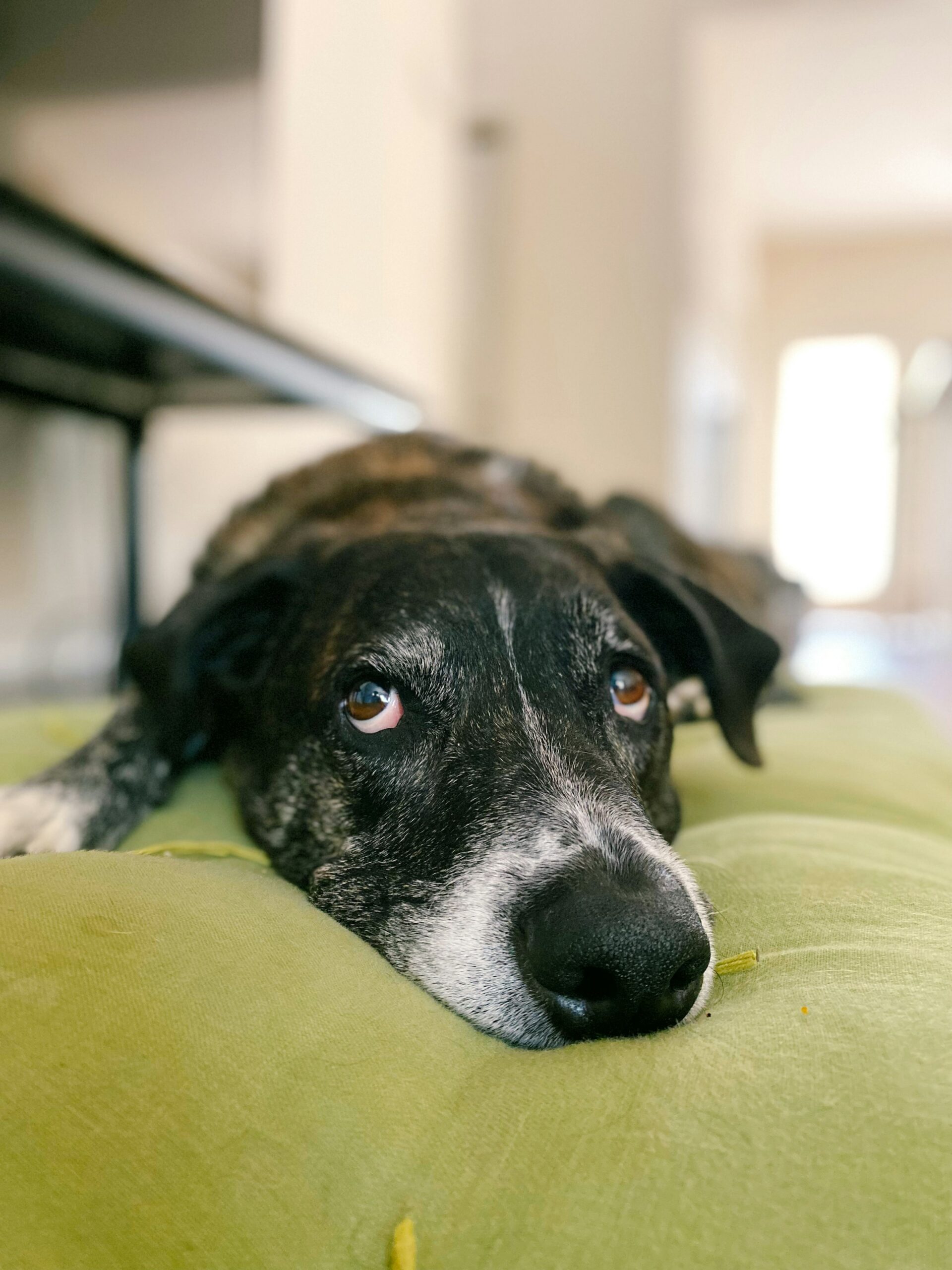
Knowing what to do when your pet dies at home is something most of us never think about until the moment is already upon us. Whether the death came at the end of a planned euthanasia appointment or caught you by surprise in the early hours of the morning, those first minutes and hours can feel disorienting in a way that is hard to describe. The grief is real and immediate and yet the world seems to expect you to start making practical decisions right away. This guide is here to help you move through that time without feeling rushed, confused or alone.
If you are reading this because your pet just passed during an appointment with us, some of what follows will be familiar — we walk every family through it together. If you are reading this ahead of time, or because your pet passed unexpectedly, we hope it gives you a clear picture of what comes next so that the logistics never overshadow the moment.
What to Do When Your Pet Dies at Home: The Very First Steps
The first thing to know is that you do not have to do anything immediately. There is no emergency in the minutes right after your pet passes. You are allowed to simply sit, breathe and be present with your family.
When you feel ready, a few gentle, practical steps will help:
- Let yourself feel what you feel. Tears, silence, even laughter at a memory — all of it is allowed. There is no correct response to losing an animal you loved.
- Let other household members say goodbye. If a partner, child or other family member was not in the room, give them a few quiet minutes before anything else happens. Children especially benefit from a calm, honest moment to understand what has occurred. Our post on helping children cope with pet loss has some guidance if you need it.
- Check in with your other pets. Animals in the home often sense the shift. Some want to be near, others retreat. Follow their lead. You may find our post on how pets grieve and how to help them useful in the days ahead.
What Happens to the Body After a Pet Passes?
This is a question many families hesitate to ask, but it is an important one. Understanding what is physically normal can prevent unnecessary alarm.
In the minutes after death, muscles relax completely. You may notice your pet’s eyes remain partially open, or their body shifts slightly as the last tension releases. Bladder or bowel release is also common and is nothing to be distressed about. Breathing and heartbeat stop and the body will gradually cool over the following hours. These are natural processes, not signs that anything went wrong.
If your pet passed during one of our appointments, Dr. Fasano confirms the passing before leaving and will have already addressed any of these questions with you directly.
How Long Can You Wait Before Arranging Aftercare?
This is one of the most common practical questions families ask and the honest answer is: not as long as most people expect. At room temperature, the body will begin to change within a few hours. If the room is cool, you have a bit more time. Most families feel most comfortable arranging aftercare within two to four hours, or sooner if the weather is warm.
We understand that this can feel abrupt, especially when grief is still so fresh. The goal is simply to make sure your pet is cared for with the same dignity in death as in life.
What Does Aftercare Actually Mean?
Aftercare refers to what happens to your pet’s remains. Royal Farewells offers two options. Private cremation returns your pet’s ashes to you in an urn, usually within one to two weeks. Communal cremation is a dignified lower-cost choice where ashes are not returned.
Families sometimes ask how cremation compares with aquamation, also called water cremation or alkaline hydrolysis. We do not offer aquamation, so if it is something you want to understand before deciding, our post on aquamation versus cremation for pets explains the differences in plain terms.
During every appointment, we handle the coordination of aftercare directly. You do not need to make phone calls, arrange transport or figure out logistics on your own. That is something we take off your plate entirely, because you should not have to manage it.
Paw Prints and Keepsakes
Many families want something tangible to hold onto. We provide paw print impressions and other keepsakes as part of the appointment, so that is already taken care of before we leave. You do not need to organize this yourself or worry that the moment will pass without it being captured.
If Your Pet Passed Without a Scheduled Appointment
Sometimes pets pass on their own, without a planned euthanasia. It may have happened overnight, or faster than anyone expected. If that is your situation, we want you to know that the grief you are feeling is not less valid because you did not get to say a planned goodbye. Natural death at home is not always peaceful and if you are carrying any guilt about whether you waited too long or acted too soon, please be gentle with yourself.
If you need help arranging aftercare for a pet who has already passed, reach out to us through our contact page and we will do our best to point you in the right direction, even if the circumstances fall outside a standard appointment.
What About the Days After?
The hours after your pet passes are just the beginning of grief, not the end of it. Many families find the second and third days harder than the first. The house feels different. Routines that used to center on your pet are suddenly empty. That is normal and it does not mean something is wrong with how you are coping.
Grief after losing a pet is real grief. It can be as intense as any other loss and it deserves to be treated that way. Our post on why pet loss hurts so much speaks to this honestly, if you need to feel a little less alone in what you are experiencing.
Be patient with yourself in the days ahead. Eat something. Sleep when you can. Let people help you if they offer. And know that what you are feeling is a direct measure of how much your pet was loved.
We Are Here If You Have Questions
Royal Farewells serves families across Nassau County and Suffolk County west of the William Floyd Parkway. If you have questions about aftercare, pricing or what an appointment looks like, our FAQ page covers the most common ones. And if you simply need to talk through a decision that feels impossibly hard, we are here for that too.
You do not have to navigate any of this alone.
If you found this helpful, you may also want to read what to expect during an at-home euthanasia appointment or how to prepare your family for the appointment ahead of time.
Ready to Talk?
If you are considering at-home euthanasia for your pet, we are here to help. Learn more about our at-home euthanasia process, view our pricing, or schedule an appointment when you are ready.
Have questions? Visit our FAQ page or contact us at (516) 646-2172.