
Signs Your Cat Is Dying: When to Consider Euthanasia
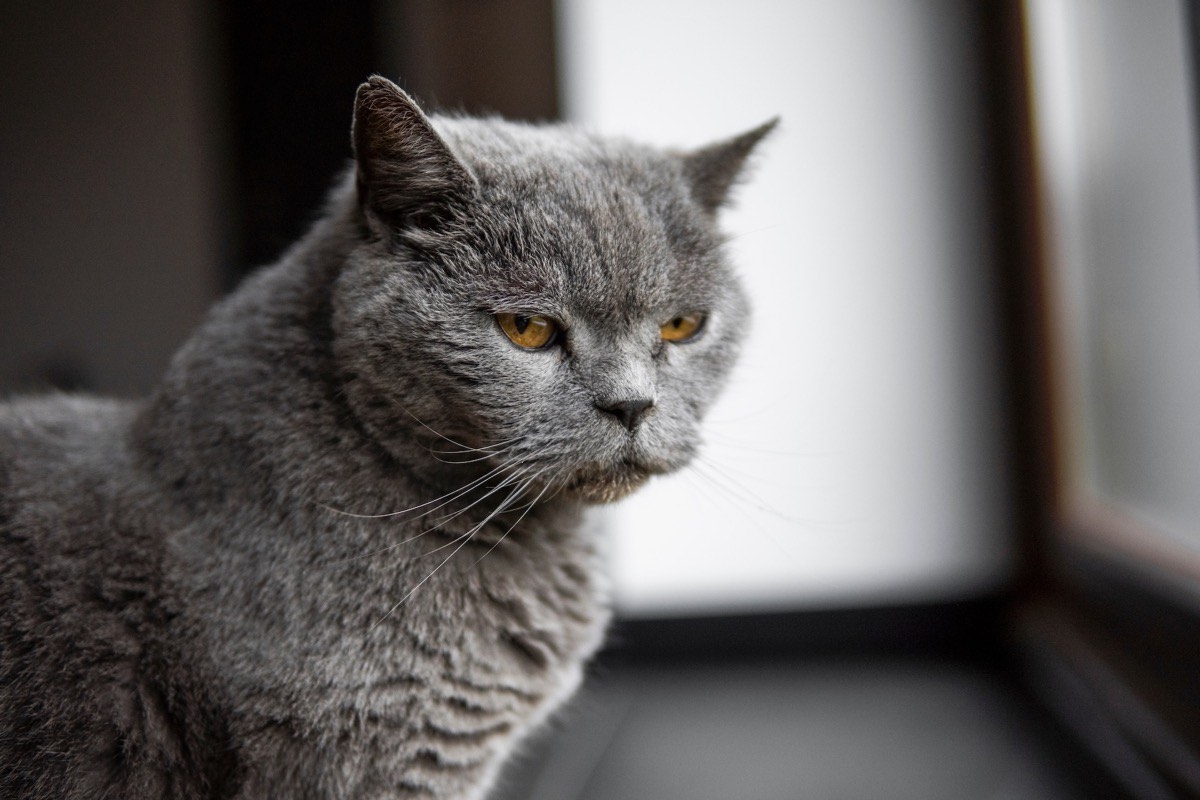
Cats are masters at hiding pain. Unlike dogs, who often show obvious signs of distress, cats tend to withdraw quietly as their health declines. This makes it especially hard for cat owners to know when their pet is suffering and when it may be time to consider euthanasia.
Here are the signs to watch for and guidance on making the most compassionate decision for your cat.
Physical Signs Your Cat May Be Dying
Significant Weight Loss
Rapid or gradual weight loss, especially when your cat is still eating, can indicate kidney disease, cancer, hyperthyroidism, or other serious conditions. If your cat feels bony when you pick them up, it is time to talk to a veterinarian.
Refusing Food and Water
Cats who stop eating for more than 24 to 48 hours are in trouble. A complete refusal of water is even more urgent. This is one of the most common signs that a cat is nearing the end.
Difficulty Breathing
Open-mouth breathing, panting, or labored respiration in a cat is always a serious sign. Healthy cats breathe quietly through their nose. If your cat is struggling to breathe, seek help immediately.
Changes in Body Temperature
A dying cat may feel cold to the touch, especially in their ears and paws. Their body temperature drops as organs begin to slow down.
Unkempt Appearance
Cats are meticulous groomers. When a cat stops grooming, their coat becomes matted, dull, or greasy. This is a sign that they no longer have the energy or desire to care for themselves.
Weakness and Difficulty Moving
Stumbling, inability to jump, dragging the back legs, or having trouble getting in and out of the litter box are signs of serious decline.
Behavioral Signs
Hiding
A cat who suddenly hides under beds, in closets, or in unusual spots may be in pain. In the wild, cats hide when they are vulnerable. This instinct remains strong in domestic cats.
Withdrawal from Family
A cat who was once social but now avoids interaction is telling you something. Pay attention to changes in how they relate to you.
Excessive Vocalization
Some dying cats become unusually vocal, yowling or crying, especially at night. This can indicate pain, confusion, or cognitive decline.
Litter Box Changes
Accidents outside the litter box, inability to squat, or not using the box at all can indicate pain, kidney failure, or loss of muscle control.
Staring Into Space
A cat who sits staring blankly, seems disoriented, or presses their head against walls may be experiencing neurological decline.
The Quality of Life Question
Ask yourself these questions honestly:
- Is my cat in pain that cannot be managed?
- Can my cat eat and drink on their own?
- Does my cat still enjoy any of their normal activities?
- Is my cat having more bad days than good days?
- Am I keeping my cat alive for them, or for me?
That last question is the hardest, but it is the most important.
Why At-Home Euthanasia Is Especially Important for Cats
Cats are deeply territorial and stressed by changes in environment. A trip to the vet can cause extreme anxiety in a cat who is already suffering. At-home euthanasia allows your cat to:
- Stay in their safe, familiar space
- Avoid the trauma of a carrier and car ride
- Rest in their favorite spot during the process
- Pass peacefully without fear or stress
At Royal Farewells, Dr. Fasano provides gentle at-home euthanasia for cats throughout Long Island. The process is quiet, calm, and designed to minimize stress for your cat.
Not sure if it is time? Contact us at (516) 646-2172 for a free consultation. We can help you assess your cat’s quality of life. You can also read our guide: What to Expect During At-Home Euthanasia.
Ready to Talk?
If you are considering at-home euthanasia for your pet, we are here to help. Learn more about our process, view our pricing, or schedule an appointment.
Have questions? Visit our FAQ page or contact us at (516) 646-2172.