
Pet Hospice Care at Home: What It Is and When to Consider It
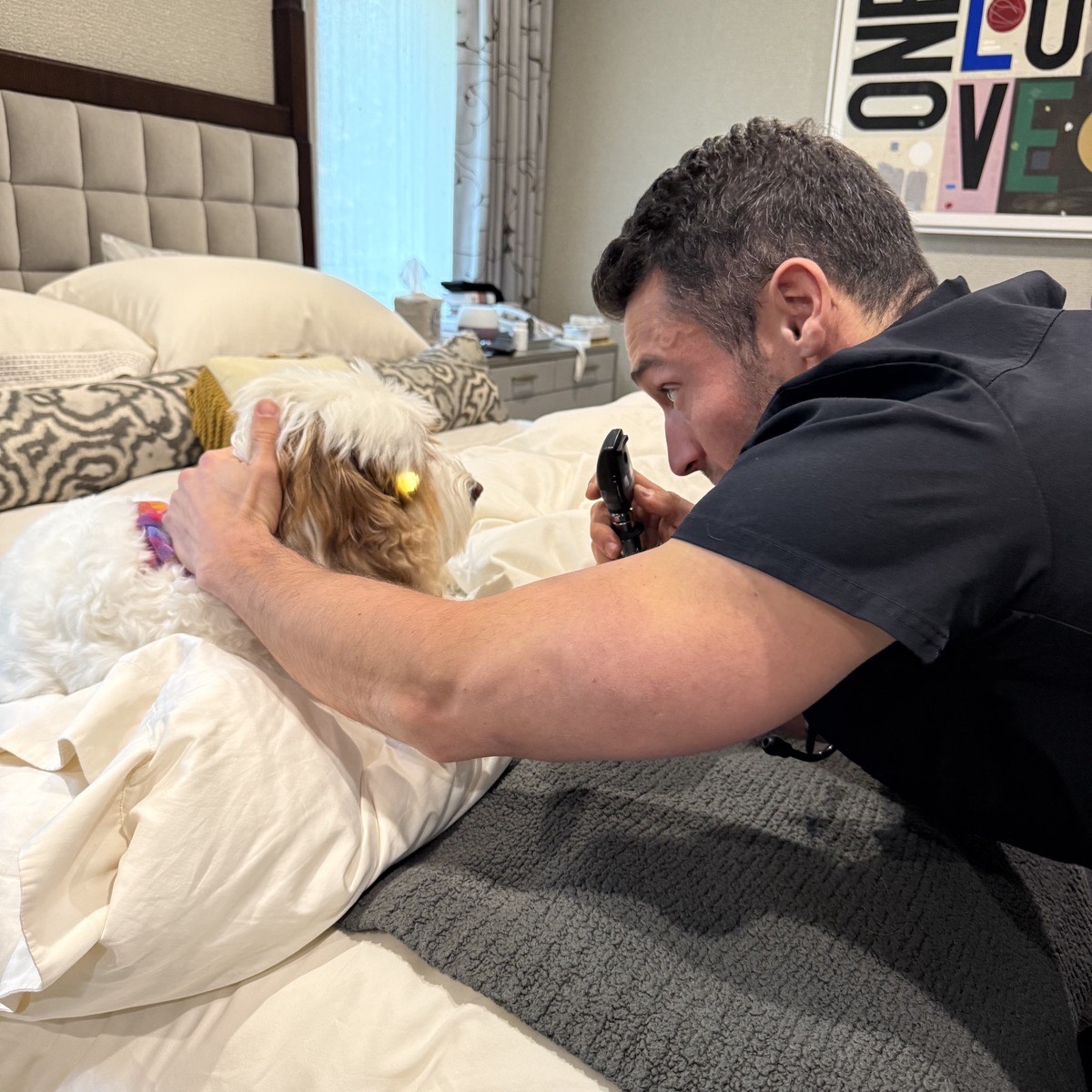
When your pet has been diagnosed with a terminal illness, you may not be ready to say goodbye yet. Pet hospice care bridges the gap between diagnosis and end of life, keeping your pet comfortable while giving your family time to prepare.
What Is Pet Hospice Care?
Pet hospice, also called palliative care, focuses on comfort rather than cure. The goal is not to treat the underlying disease but to manage pain, maintain quality of life, and keep your pet comfortable for as long as possible.
Hospice care may include:
- Pain management — Medications to control pain and inflammation
- Anti-nausea treatment — For pets with digestive issues or cancer
- Appetite stimulants — To help pets who are losing interest in food
- Mobility support — Supplements, medications, or assistive devices
- Wound care — For pets with tumors or pressure sores
- Regular check-ins — Veterinary visits to monitor and adjust care
When Should You Consider Hospice?
Hospice care may be right for your pet if:
- They have been diagnosed with a terminal condition (cancer, organ failure, advanced age-related decline)
- Treatment options have been exhausted or you have chosen not to pursue aggressive treatment
- Your pet still has good days but is gradually declining
- You want to maximize their comfort during the time they have left
- You need time to prepare your family emotionally for goodbye
What Does In-Home Hospice Look Like?
At Royal Farewells, our palliative care service is provided in your home. A typical hospice plan includes:
- Initial consultation — Dr. Fasano evaluates your pet’s condition, discusses your goals, and creates a comfort care plan
- Medication management — Prescriptions for pain, nausea, anxiety, or other symptoms
- Quality of life assessments — Regular check-ins to evaluate how your pet is doing
- Family guidance — Help recognizing when your pet’s quality of life has changed
- Transition planning — When the time comes, seamless transition to at-home euthanasia
Hospice vs. Euthanasia: They Work Together
Hospice and euthanasia are not either-or decisions. Many families use hospice care to keep their pet comfortable while preparing for the eventual goodbye. When the pet’s quality of life declines past a certain point, euthanasia becomes the compassionate next step.
Think of hospice as giving your pet the best possible remaining days, and euthanasia as ensuring they do not suffer at the end.
Signs Hospice Is No Longer Enough
Even with excellent hospice care, there comes a point when comfort can no longer be maintained. Signs include:
- Pain that breaks through medication
- Complete refusal of food and water
- Inability to stand or move
- Incontinence that causes distress
- More bad days than good days
- A look in their eyes that tells you they are ready
Dr. Fasano can help you recognize these signs and support you through the transition.
Want to explore hospice care for your pet? Contact us at (516) 646-2172 for a consultation. Learn more about our palliative care services.
Ready to Talk?
If you are considering at-home euthanasia for your pet, we are here to help. Learn more about our process, view our pricing, or schedule an appointment.
Have questions? Visit our FAQ page or contact us at (516) 646-2172.