
When to Euthanize a Cat With Kidney Disease: A Guide for Families
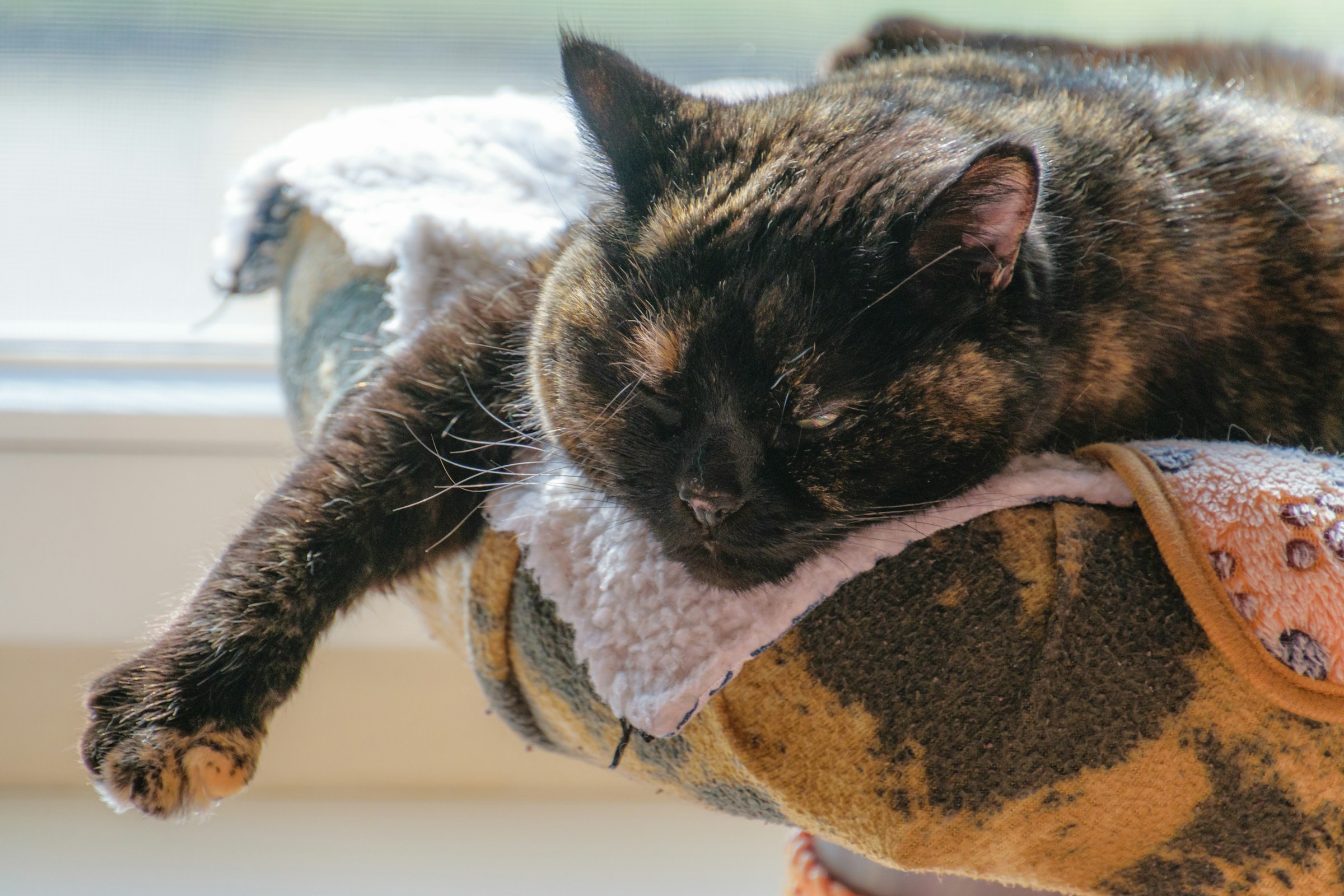
If your cat has been diagnosed with chronic kidney disease, you are probably holding two things at once right now: relief that you finally have an answer and fear about what comes next. Kidney disease is one of the most common conditions we see in older cats on Long Island and it can be managed for months or even years with the right support. But it is also progressive. The kidneys do not heal. And at some point, many families find themselves asking the question we hear more than almost any other: when to euthanize a cat with kidney disease. There is no universal answer, but there is a lot we can walk through together.
This post is written for families who are somewhere in the middle of that journey. Maybe your cat was just diagnosed. Maybe you have been managing this for two years and things are starting to shift. Either way, we want you to understand what is actually happening in your cat’s body, what treatment can realistically do and how to recognize the signs that comfort care is no longer keeping your cat comfortable.
What Chronic Kidney Disease Actually Does to a Cat
The kidneys filter waste from the blood, regulate hydration and electrolytes and help control blood pressure. When kidney tissue is damaged, the remaining healthy tissue works harder to compensate. For a long time, cats can look and feel relatively normal even as kidney function declines. That is part of what makes this disease so hard. By the time symptoms appear, a significant amount of function is already gone.
Chronic kidney disease is staged, typically on a scale from one to four. Early stages may show up only on bloodwork. As the disease progresses into later stages, the toxins that healthy kidneys would filter out begin to accumulate in the bloodstream. Veterinarians sometimes call this uremia. It is the buildup of those toxins that causes most of the symptoms families notice: nausea, loss of appetite, weight loss, weakness and eventually a kind of foggy withdrawal from everything your cat used to enjoy.
One important thing to say clearly: chronic kidney disease is not reversible. Some causes of sudden or acute kidney injury can be treated and partially resolved, especially if caught early. But the gradual kidney decline that most older cats experience over months and years does not turn around. Management can slow the progression and keep your cat feeling better for longer. It cannot restore what has been lost.
What Fluids and Diet Can Do — and What They Cannot
Subcutaneous fluids are often a cornerstone of managing kidney disease at home. Given under the skin, usually daily or every other day, they help offset the dehydration that comes with failing kidneys. Many cats tolerate them well and feel meaningfully better when they are consistently hydrated. Families often tell us that fluids bought their cat months of good quality time and we believe them.
A kidney-supportive diet can also help. Phosphorus restriction in particular is thought to reduce the workload on damaged kidneys and may slow progression. Keeping a cat eating is critically important, though. If your cat refuses the prescription diet entirely, most veterinarians will prioritize getting calories in over strict dietary compliance. A cat that eats nothing is in more danger than a cat eating the wrong food.
Medications may also come into play: phosphorus binders, anti-nausea drugs, appetite stimulants, blood pressure medication and others depending on what your cat’s bloodwork shows. Each of these tools addresses a specific symptom or complication. Together, they can add real quality time.
But here is what we want families to understand. All of these interventions manage symptoms. They do not change the underlying trajectory. At some point, the kidneys decline to a level where no amount of fluids, diet or medication can keep your cat comfortable. Recognizing that point is one of the hardest things you will ever do.
When to Euthanize a Cat With Kidney Disease: Signs to Watch For
There is rarely one single moment when everything becomes obvious. More often, it is a gradual accumulation of changes. These are the things we ask families to pay attention to:
- Persistent loss of appetite. A cat who stops eating for more than a day or two despite appetite stimulants is telling you something important. Cats who do not eat develop their own set of complications quickly.
- Significant weight loss. If your cat has become skeletal despite your best efforts, that is a sign the body can no longer maintain itself.
- Vomiting that won’t stop. Occasional nausea is manageable. Daily vomiting that does not respond to medication means the toxin load is becoming overwhelming.
- Extreme weakness or inability to stand. When a cat can no longer hold their head up or get to the litter box, comfort has given way to suffering.
- Withdrawal and disconnection. Cats near the end often stop seeking warmth, stop responding to voices they love and spend most of their time in hiding. This is not just sadness. It is a biological signal.
- Labored breathing or seizures. These are signs that uremia has reached a critical level. At this stage, the body is in crisis.
You do not have to wait for the most severe signs. If your cat is spending most of every day uncomfortable and the interventions that used to help are no longer working, that is already a meaningful answer to the question. Our quality of life guide can help you put a framework around what you are observing, if it helps to have something concrete to measure against.
The Question of “Waiting to See”
Many families tell us they are afraid of acting too soon. That fear makes complete sense. But we also see what happens when families wait until a cat is in acute crisis and we can tell you honestly: most of the time, those families tell us afterward that they wish they had not waited so long. The post “If I Hold On Too Long, We Both Suffer” speaks to this directly and it is worth reading if you are in that place right now.
Choosing a peaceful death before suffering becomes severe is not giving up. It is the last act of care.
What the Process Looks Like at Home
For cats especially, a home setting makes an enormous difference. Cats who are already stressed by illness often become nearly impossible to examine in a clinic environment. Being in their own space, on their own blanket, without the smells and sounds of an unfamiliar building — that matters. Our post on saying goodbye to your cat at home walks through what an appointment with us looks like, from the moment we arrive to the moment we leave.
We serve families across Nassau County and the western portion of Suffolk County. If you are ready to talk about scheduling or just need to ask some questions first, our FAQ page covers what most families want to know before reaching out.
You Are Not Alone in This
Watching a cat decline from kidney disease is a slow kind of grief. You have probably been grieving for a while already, long before you started searching for answers. That is real and it is valid. Whatever timeline you are on, we are here to help you make a decision you can live with. There is no wrong way to love your cat through this. There is only trying to see clearly and choosing what is most kind.
If you found this post helpful, you may also want to read Signs Your Cat Is Dying: When to Consider Euthanasia or Making Peace With the Pet Euthanasia Decision.
Ready to Talk?
If you are considering at-home euthanasia for your pet, we are here to help. Learn more about our at-home euthanasia process, view our pricing, or schedule an appointment when you are ready.
Have questions? Visit our FAQ page or contact us at (516) 646-2172.